File Hosting Security Tips for Everyday Users
File hosting platforms such as Keep2Share make it easy to upload, store, and share large files, but convenience should never come at the expense of security. Everyday users can greatly reduce risks by following a few simple habits when uploading or downloading files online.
-> Go to k2s.cc and create Premium Account
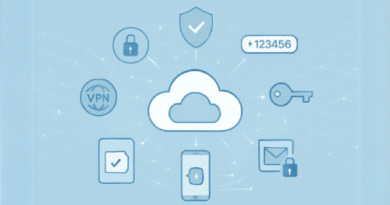
Use Strong Account Protection
Your account is the first line of defense.
-
Create a unique password that is not used on other websites.
-
Enable two-factor authentication if the service offers it.
-
Review account activity regularly for unfamiliar logins.
Security Tip
Avoid reusing passwords across multiple file hosting or cloud storage accounts. One compromised account can lead to a chain reaction of breaches.
Verify Downloads Before Opening
Many security incidents happen after downloading a malicious file. Before opening any file:
-
Check the file name and extension carefully.
-
Scan downloads with antivirus software.
-
Avoid opening unexpected executable files.
-
Download only from trusted sources or known uploaders.
Keep Sharing Links Under Control
Public links can spread quickly. Use sharing settings wisely:
|
Action |
Why It Helps |
|
Use private links |
Limits access to intended recipients |
|
Set expiration dates |
Reduces long-term exposure |
|
Remove old links |
Prevents forgotten files from remaining public |
Watch for Phishing and Fake Pages
Attackers often imitate file hosting websites. Stay alert for:
-
URLs with misspellings
-
Unexpected login prompts
-
Download pages filled with misleading advertisements
-
Requests for unnecessary personal information
Keep Devices and Software Updated
Outdated systems are easier to exploit. Update your browser, operating system, and security software regularly. This closes known vulnerabilities that attackers commonly target.
Final Thoughts
Good file hosting security is mostly about consistent habits: strong passwords, careful downloading, controlled sharing, and updated software. These steps take only a few minutes but can prevent account theft, malware infections, and accidental data exposure.
One of the easiest ways to avoid scams is learning to recognize fake download buttons on file hosting sites before clicking anything.