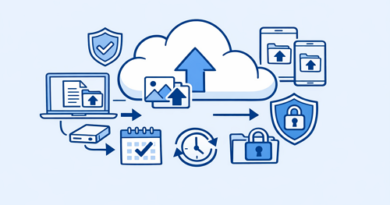
How to Split Large Files Before Uploading Them Online
Uploading huge files can become frustrating when internet interruptions or file size limits get in the way. Many users of Keep2Share and other file hosting platforms improve reliability by splitting large files into smaller parts before uploading. This simple technique reduces failed uploads, makes transfers easier to resume, and allows recipients to download files more efficiently.
-> Go to k2s.cc and create Premium Account
Why Split Large Files?
Breaking a large file into several smaller archives provides multiple benefits:
- Faster recovery if one upload fails
- Easier sharing across platforms with upload limits
- Better organization for large projects
- Reduced risk of file corruption during transfer
- Simpler downloads for users with unstable internet connections
For professionals sharing videos, software, or backups, file splitting is often a smarter approach than uploading one massive archive.
Popular Tools for File Splitting
Most archive applications include built-in file splitting features.
| Tool | Supports File Splitting | Best For |
|---|---|---|
| 7-Zip | Yes | Free compression and archives |
| WinRAR | Yes | Multi-part RAR archives |
| WinZip | Yes | ZIP archive management |
| PeaZip | Yes | Open-source file management |
Simply choose an archive format, specify the size of each part (for example 500 MB or 1 GB), and let the software create numbered archive files automatically.
Best Practices Before Uploading
A few simple habits make uploads much smoother:
- Choose consistent part sizes for easier downloads.
- Name files clearly so every archive stays in order.
- Upload all archive parts before sharing the download link.
- Test the archive after creation to confirm it extracts correctly.
- Store the recovery files safely if your archive software supports them.
Upload Large Files More Efficiently
Splitting large files improves upload reliability, especially on slower internet connections or when transferring important data. Combined with organized folders and quality file hosting services, this method saves time while reducing upload failures.
Choosing the right archive format can improve compression efficiency and download compatibility, so reviewing the best archive formats for faster uploads and downloads is another practical way to optimize your file-sharing workflow.