File Hosting vs Direct Download – What’s the Difference?
File hosting platforms like Keep2Share have changed how people share large files online, but many users still confuse them with direct downloads. Each method serves a different purpose, and knowing the difference helps you choose the right option for speed, security, and convenience.
-> Go to k2s.cc and create Premium Account
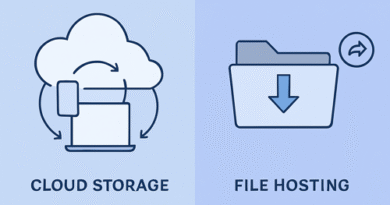
What Is File Hosting?
File hosting involves uploading files to a remote server, then sharing a download link with others.
• Files are stored in the cloud
• Access is controlled through links or permissions
• Downloads may depend on account type
• Ideal for large or repeated sharing
This method works well for creators, teams, and anyone distributing files regularly.
What Is Direct Download?
Direct download refers to downloading a file straight from a website or server without using a hosting platform interface.
• Files are hosted on a single server
• No account is usually required
• Instant access if the link is active
• Limited flexibility for sharing
This method is often used for quick, one-time downloads.
Key Differences at a Glance
| Feature | File Hosting | Direct Download |
|---|---|---|
| Storage | Cloud-based | Server-based |
| Access control | Link permissions | Open or restricted |
| Speed | Depends on plan/server | Depends on server load |
| Best use | Large file sharing | Quick downloads |
Which One Should You Use?
File hosting is better for managing and distributing large files over time. It offers more control, better tracking, and scalable storage.
Direct downloads are useful for simple file access without extra steps. However, they lack advanced features like resumable downloads or traffic control.
Final Thoughts
Both methods have their place depending on your needs. File hosting platforms provide flexibility and long-term usability, while direct downloads focus on simplicity and speed.
Improving your experience also depends on knowing how to avoid slow downloads on file hosting sites, especially when working with large files regularly.